7 Early Signs of Wildlife in Phenix City Homes
Wildlife removal in Phenix City, AL is often needed when you notice unexplained attic noises, droppings, damaged insulation, chewed wires, or new gaps around the roof. Outside, leaning trees, muddy channels, or beaver dams can signal activity. Early action helps prevent property damage, contamination, fires, and larger repair bills.
What are the early signs of wildlife in a home?
Wildlife rarely arrives without leaving clues. Check for these common warning signs:
- Scratching, thumping, squeaking, or movement in the attic, walls, chimney, or crawl space
- Droppings or urine stains near insulation, vents, porches, sheds, or outdoor equipment
- Chewed electrical wires, ductwork, wood, screens, or stored belongings
- Torn soffits, lifted roof edges, damaged vents, or gaps around pipes
- Strong odours, nesting material, tracks, fur, feathers, or grease marks near entry points
Noises are often most noticeable at night, while squirrels and birds may be active during the day. Avoid assuming the animal has left simply because the noise stops. Young animals, sleeping wildlife, or a blocked route can make activity seem intermittent.
Why does waiting make wildlife damage worse?
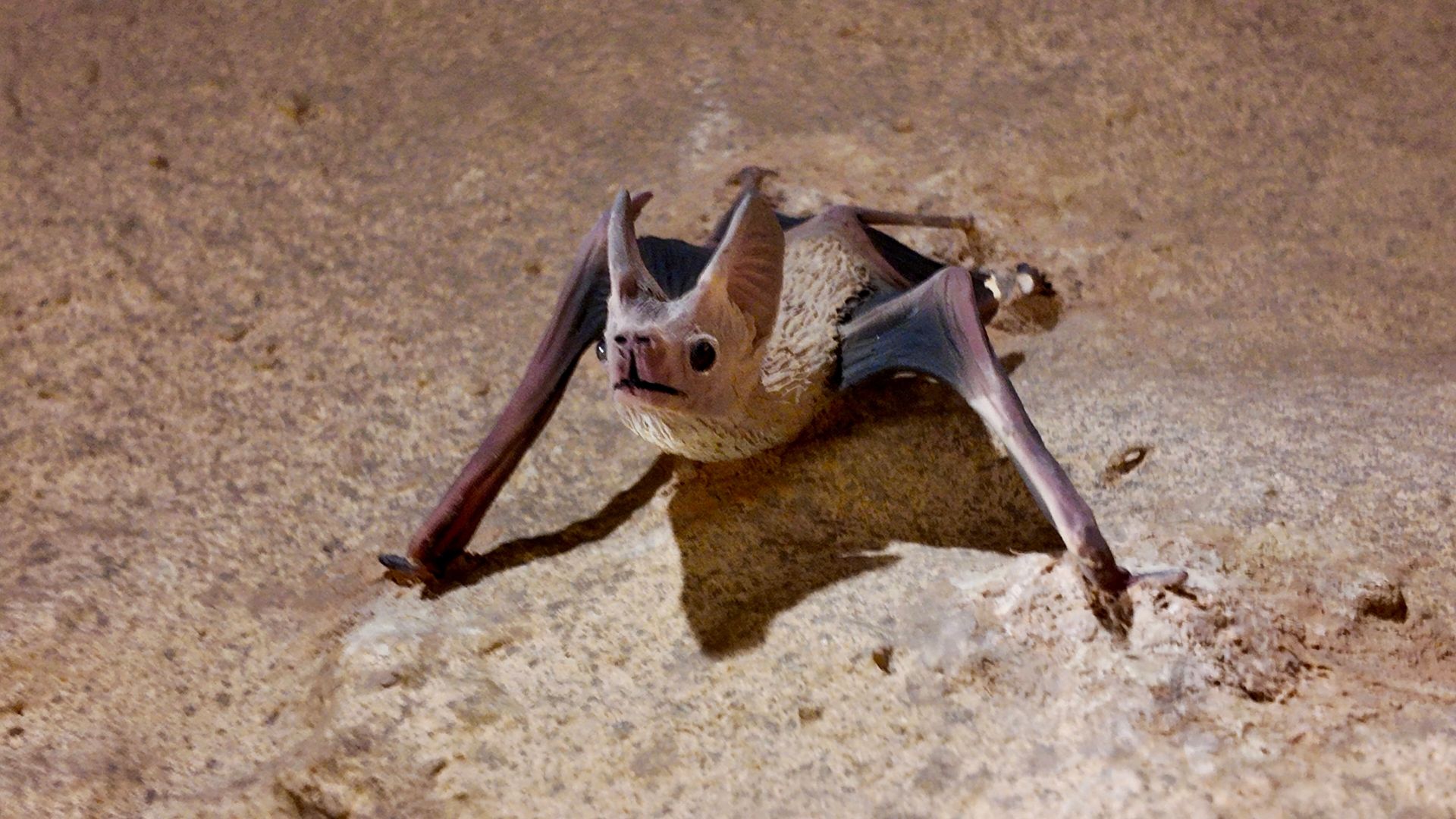
A small opening can become a regular entrance. As wildlife settles in, it may tear insulation, soil the area with faeces and urine, and damage wiring. Raccoons, squirrels, bats, birds, and other animals can also create health and safety concerns when people disturb them without the right equipment or removal plan.
Beaver activity can create a separate problem. A dam may raise water levels, flood fields or yards, block culverts, weaken banks, and affect trees near ponds and streams. If you notice fresh mud, gnawed trunks, flooded ground, or a growing dam, see Wagoner Wildlife Management’s pond management service .
What should you do while waiting for an inspection?
Take sensible steps, but do not trap, handle, poison, or seal an opening while wildlife may still be inside. Instead:
- Keep children and pets away from droppings, nests, dams, and suspected entry points.
- Store rubbish, pet food, bird seed, and livestock feed in secure containers.
- Do not climb onto the roof or enter an attic or crawl space to investigate.
- Note when noises occur and photograph exterior damage from a safe distance.
- Avoid blocking holes until an inspection confirms the animals and any young have left.
For faeces, nesting debris, or contaminated insulation, professional remediation and sanitation can reduce exposure after removal.
How does a free wildlife inspection work?
When you call Wagoner Wildlife Management on (334) 623-4186 , available 24/7, the team can discuss what you have noticed and arrange a free inspection. A typical visit may include:
- Checking the attic, roofline, vents, crawl space, walls, outbuildings, and other likely areas
- Identifying tracks, droppings, nesting material, damage, and active entry points
- Determining which species may be present and whether young animals are involved
- Explaining safe removal, exclusion, repair, and clean-up options
- Answering questions about timing, access, and protecting the property afterwards
The aim is not simply to remove an animal. Effective wildlife management addresses how it entered and what could attract it back. You can also review the broader wildlife and animal removal service for common attic and nuisance-animal concerns.
When should Phenix City property owners call?
Call promptly if you hear repeated movement, find fresh droppings, see exposed wires, smell a strong odour, or notice water rising behind a beaver dam. Landlords, farm owners, rural property owners, and businesses should act quickly because wildlife can affect tenants, animals, stock, equipment, and customer safety.
For prevention after removal, explore ways to keep wildlife out . If you are in a nearby community, local services are also available for Fort Mitchell , Smiths Station , and Ladonia .
Key takeaways
Early wildlife signs include noises, droppings, chewed wires, damaged entry points, and beaver dams. Waiting can increase structural damage, contamination, flooding, and fire risk. Keep people and pets away, avoid DIY trapping or sealing, and record what you observe. Call Wagoner Wildlife Management at (334) 623-4186 for 24/7 help and a free inspection. The next step is to identify the activity safely, remove the wildlife properly, and prevent it returning.